New EU Rules Will Change Environmental Marketing
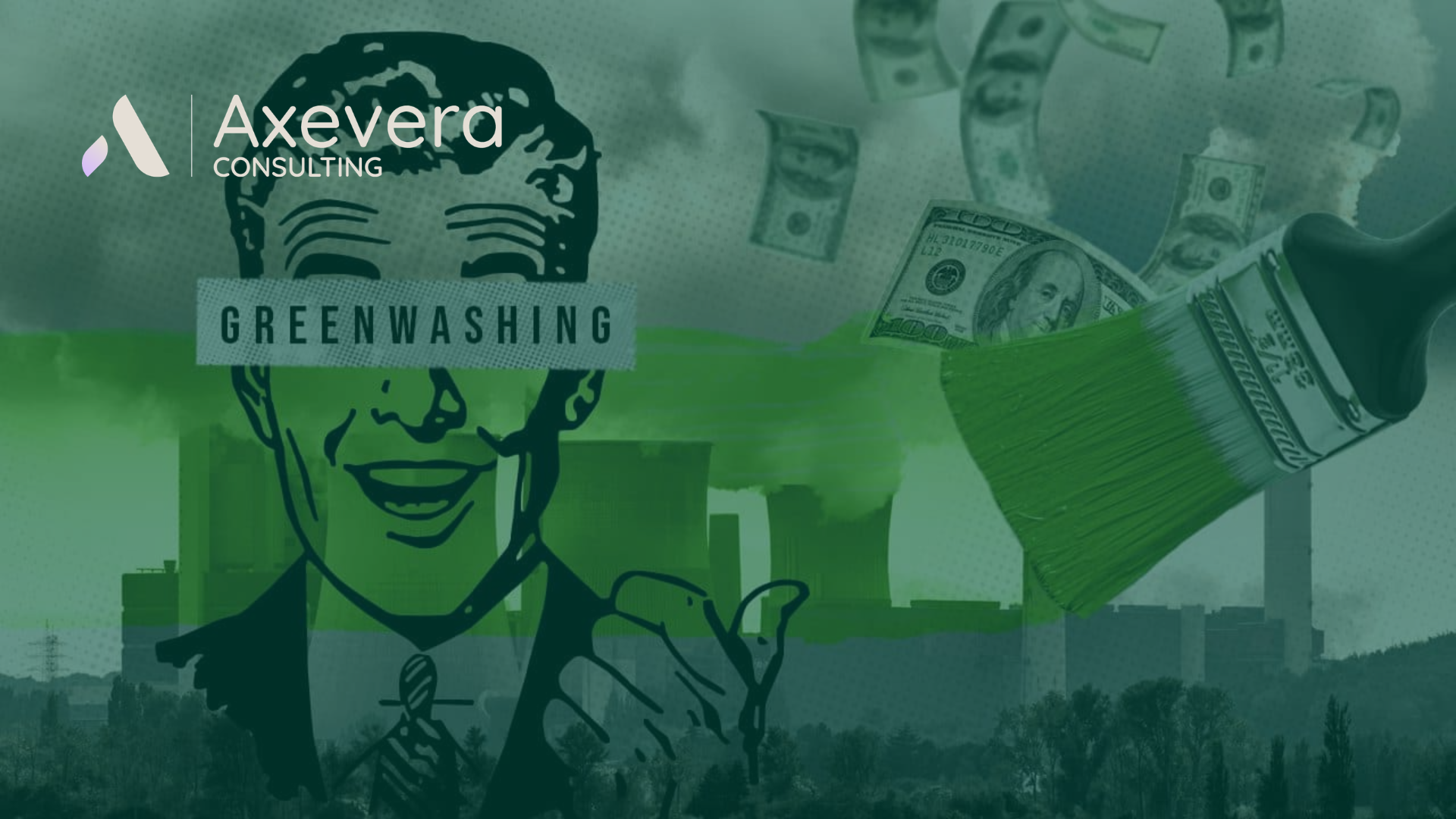
From 27 September 2026, new EU rules are set to tighten how companies communicate environmental and sustainability claims to consumers. The changes target greenwashing: marketing that presents a product, service or company as more environmentally responsible than the evidence supports.
For businesses operating in the EU, expressions such as “green”, “eco-friendly”, “sustainable” or “climate neutral” can no longer be treated as simple marketing language. Environmental claims will need to be specific, transparent and supported by evidence. The rules are particularly relevant for manufacturers, e-commerce businesses and marketing agencies.
Which Green Claims Create the Main Risk?
The new framework focuses on vague or unsupported environmental statements. It also targets labels, symbols or graphics that may look like official sustainability certifications. Another risk arises when a business highlights one positive environmental feature while failing to communicate other relevant aspects.
The key message for businesses is therefore simple: environmental claims should not create a broader impression than the company can substantiate.
What Businesses Should Review Now
Companies should review environmental claims across all communication channels, not only product packaging. Businesses may need to examine statements used on websites, advertising, social media and other marketing materials, ensure that supporting documentation is available and update graphics or wording where necessary.
This makes the September change a compliance issue for marketing, product and management teams. Businesses should identify which environmental claims they currently use and determine whether those claims can be properly supported.
What About Products Already on the Market?
Existing stock has been a concern for retailers and manufacturers. BusinessInfo.cz reports that European consumer-protection authorities reached a common understanding aimed at avoiding disproportionate measures for products or packaging placed on the market before 27 September 2026.
Authorities should consider how those products were produced and the steps businesses have taken to comply, rather than requiring products to be withdrawn or destroyed solely because labelling rules changed.
For entrepreneurs, the main takeaway is preparation. Reviewing green claims before the new rules apply can reduce compliance risks and help ensure that sustainability communication remains credible and defensible.
AI Image